
Movement patterns
Leaning panels, separated caps, stepped cracks, bowed sections, and gaps at returns are reviewed as symptoms of pressure or tieback concerns — not dismissed as surface wear.
Punta Gorda seawall repair help
If you see cap cracks, leaning panels, soil loss, drainage pressure, dock access limits, or storm-season changes along a Punta Gorda seawall, you can call or use the form now. You do not need to know exactly what is failing before you reach out.
The first call can help sort whether the issue sounds cosmetic, drainage-driven, or structurally active, then explain what a local seawall professional may need to review next.
Signs seawall damage may need repair
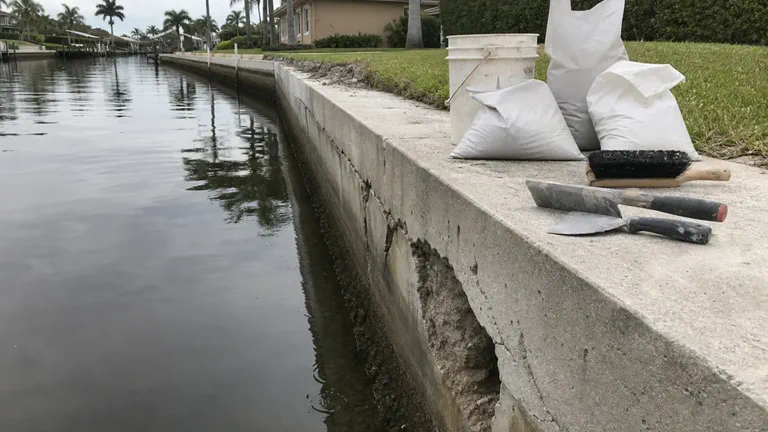
Punta Gorda owners often call after noticing one visible symptom, such as a crack, sinkhole, leaning panel, or washed-out area. A useful repair discussion connects that symptom to the wall, soil, drainage, and access conditions that may affect the next step.
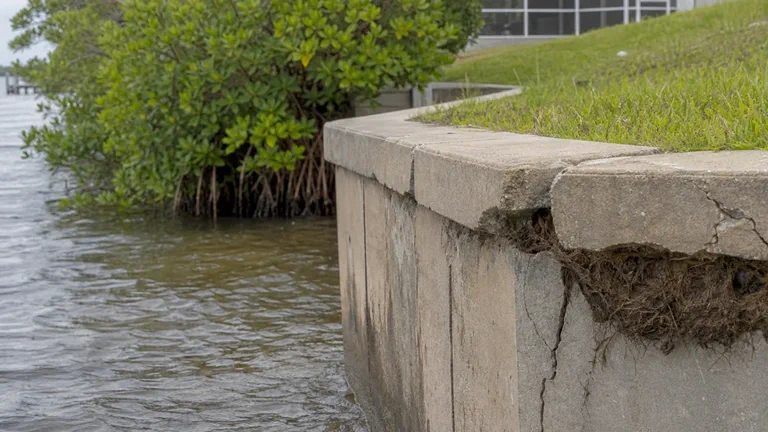
Leaning panels, separated caps, stepped cracks, bowed sections, and gaps at returns are reviewed as symptoms of pressure or tieback concerns — not dismissed as surface wear.
Washout, soft spots, settled pavers, irrigation runoff, and trapped drainage behind the wall help explain whether the repair should address the visible wall face or the conditions behind it.
Docks, lifts, pool cages, fences, landscaping, utilities, side yards, and tide windows are considered before anyone treats the job as a simple open-access wall repair.
The goal is to leave the first call with a clearer sense of what type of repair review may be needed and what can change price, timing, or staging.
Why seawall problems happen locally
Many waterfront homes around Punta Gorda and nearby Charlotte Harbor sit along canals, basins, and tidal water where the visible wall is only part of the system. The cap, tiebacks, panels, weep or drain paths, soil behind the wall, adjacent dock structures, and yard drainage all influence what a contractor sees during an inspection.
After storms or heavy rain, a homeowner may notice a crack first. The more important question is whether that crack is cosmetic, whether the cap is separating from the wall, whether the wall face is rotating, or whether soil is disappearing into a hidden void. A good repair discussion should not rush past those differences.
You can still reach out if you only know that the wall has changed. A follow-up call can ask about the affected area, soil loss, cap changes, dock or lift limits, and access constraints if they are needed.
Cost and scope factors
Crack location, direction, widening, and nearby joints, corners, steps, dock hardware, or settled pavers can all affect how a repair scope is reviewed.
Soft spots, holes, low areas, and washed-out soil may point to backfill loss. Adding fill without understanding the path of loss can hide the problem temporarily while pressure continues behind the wall.
Roof runoff, pool deck water, irrigation, or street drainage can matter because seawalls can fail faster when trapped water and soil pressure build behind the face.
Nearby docks, lifts, stairs, utilities, or seawall cap equipment may affect access, protection, staging, and whether the damaged section can be treated as isolated.
Common homeowner questions
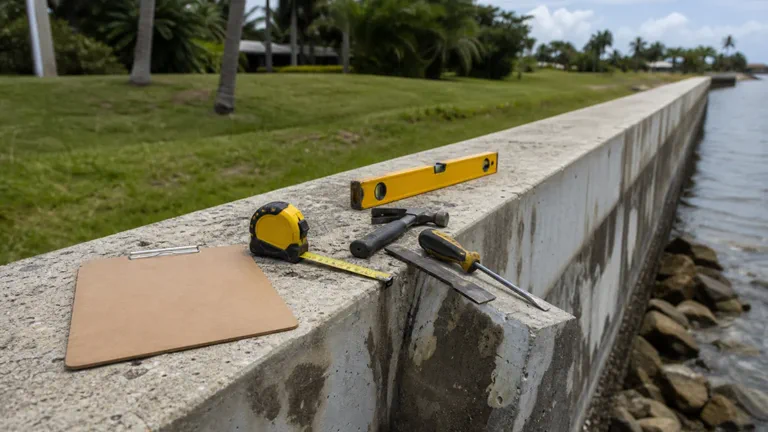
New cap cracks, soil washing out behind the wall, settling pavers, leaning panels, rust staining, sinkholes near the edge, and drainage water pushing toward the wall are all worth documenting and reviewing before the damaged area grows.
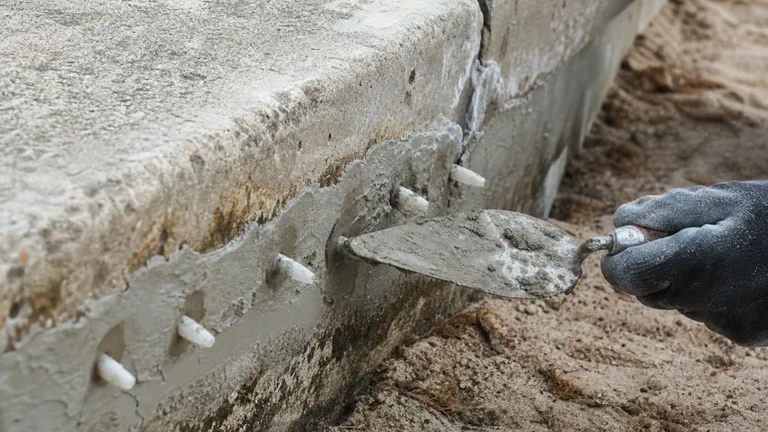
Sometimes a limited repair is possible, but the answer depends on the wall material, tieback condition, panel movement, cap damage, backfill loss, and whether drainage is still driving soil pressure behind the wall.
One estimate may only address visible cracks while another includes erosion control, backfill, drainage correction, cap work, access protection, and dock or lift coordination. The line items matter more than the headline price.
Access and tide windows can matter, but active soil loss, widening cracks, or movement near a dock should be reviewed promptly. Waiting can make a small repair area harder to isolate later.
Call or use the form with whatever you have noticed. A follow-up call can ask about washout, drainage, dock access, or other information if it is needed.
Request seawall repair helpVisible seawall concerns
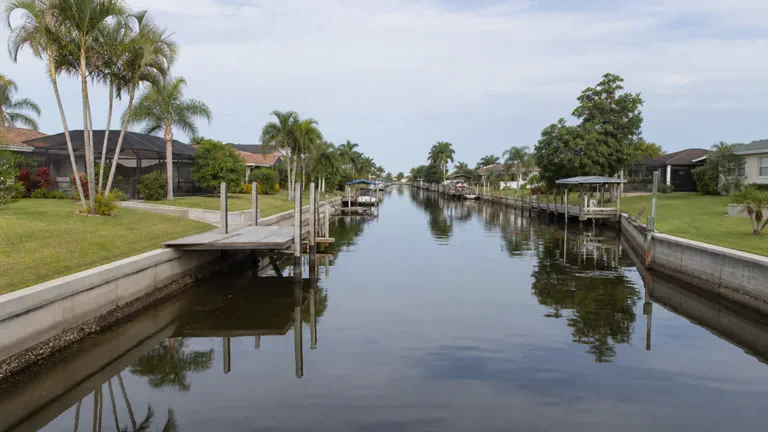
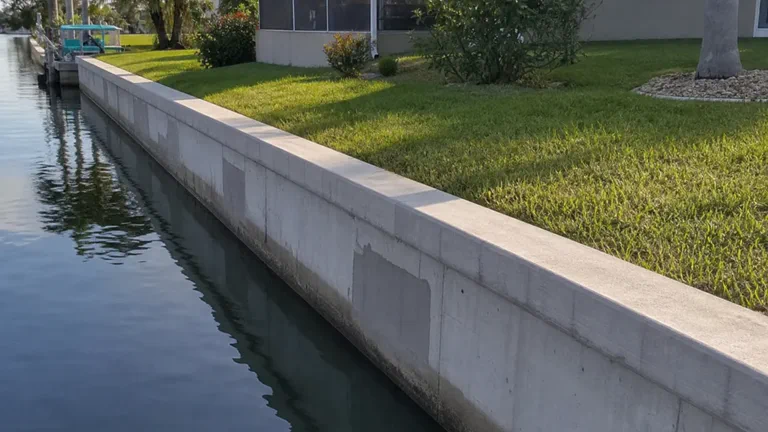
Canal exposure, yard access, and visible soil loss can help explain which repair category may fit the wall concern.